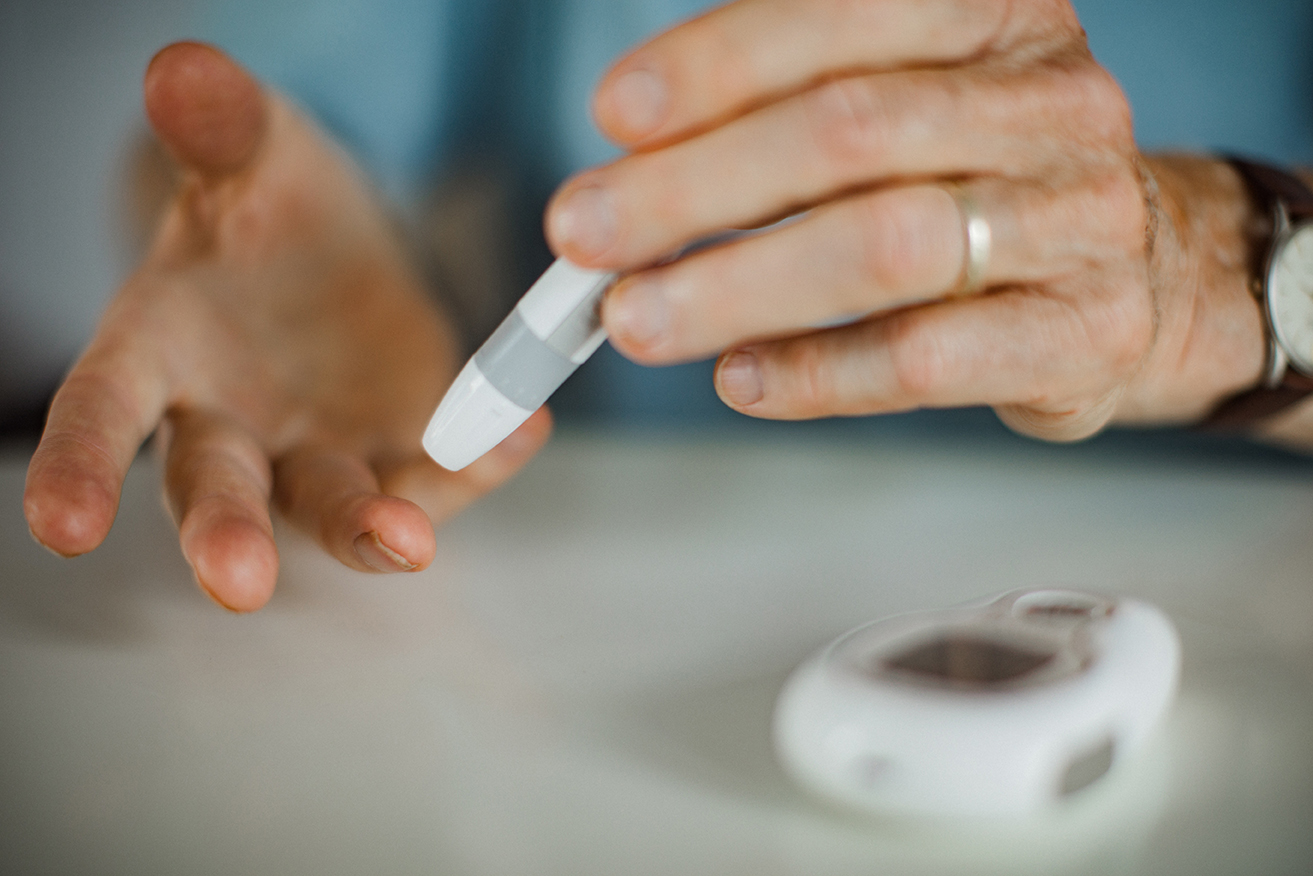
Blood sugar regulation changes considerably after 50. Insulin sensitivity tends to decline gradually with age, muscle mass decreases, and the pancreas becomes slightly less efficient at timing insulin release in response to meals. For many people, this doesn't cause obvious symptoms for years, which is exactly what makes it worth paying attention to proactively rather than waiting for a diagnosis.
This article covers the ingredients and supplements with the strongest evidence for supporting healthy glucose metabolism, what realistic expectations look like, and what's mostly noise in a category full of exaggerated claims.
Why Blood Sugar Gets Harder to Manage With Age
The relationship between ageing and blood sugar is driven by several factors that compound each other. Muscle tissue is one of the primary sites where glucose gets absorbed after meals, so the gradual loss of muscle mass that comes with age directly reduces the body's capacity to clear glucose efficiently. At the same time, low-grade chronic inflammation, which becomes more common after 50, interferes with insulin signalling at the cellular level.
Sleep quality also matters more than most people realise. Even a few nights of poor sleep measurably increases insulin resistance the following day. Stress hormones like cortisol raise blood glucose directly, which is why chronic stress and blood sugar problems so often appear together in middle-aged adults.
None of this means elevated blood sugar is inevitable. It does mean that the levers available to manage it are different at 55 than they were at 35, and that supplements which support insulin sensitivity and glucose metabolism have a more meaningful role to play.
HbA1c (glycated haemoglobin) gives a three-month average of blood sugar levels and is a far more useful metric than a single fasting glucose reading. If you haven't had one recently, it's worth asking your GP for it.
Chromium: Small but Consistent
Chromium is a trace mineral that enhances the action of insulin by supporting the activity of glucose transporter proteins. It's been studied in glucose metabolism for decades, and while the effect size is modest, the evidence is consistent enough to make it a reasonable baseline for anyone focused on blood sugar support.
The form matters here. Chromium picolinate has better absorption data than chromium chloride, which is the form found in many cheaper supplements. Most studies showing meaningful results use between 200 and 400 micrograms of chromium picolinate daily. At those doses it's well tolerated, with very few reported side effects in healthy adults.
Berberine: The Most Talked-About Ingredient in This Category
Berberine is an alkaloid found in several plants, including barberry and goldenseal, and it has attracted significant research attention over the past fifteen years. It works through a different mechanism than most blood sugar supplements: it activates an enzyme called AMPK, which plays a central role in cellular energy metabolism and glucose uptake. Several clinical trials have compared berberine directly to metformin in people with type 2 diabetes and found comparable reductions in fasting glucose and HbA1c over 12 to 16 weeks.
That said, the comparison to metformin needs context. The studies were mostly conducted in China, sample sizes were small, and metformin has decades of safety data that berberine doesn't have yet. Berberine also interacts with several common medications, particularly those metabolised by the liver enzyme CYP3A4. Anyone taking prescription medication should check with their doctor before adding it.
For people without diabetes who are managing borderline glucose levels through lifestyle, berberine is one of the more credible options available over the counter, with a typical effective dose of 500mg taken two to three times daily with meals.
Gymnema Sylvestre: The Underrated Plant Extract
Gymnema sylvestre is an Ayurvedic herb that has been used for blood sugar support for centuries, and it has more modern research behind it than most people realise. The active compounds, called gymnemic acids, appear to reduce sugar absorption in the intestine and support insulin secretion from the pancreas. Some studies also suggest it temporarily dulls the perception of sweetness, which can reduce cravings for sugary foods.
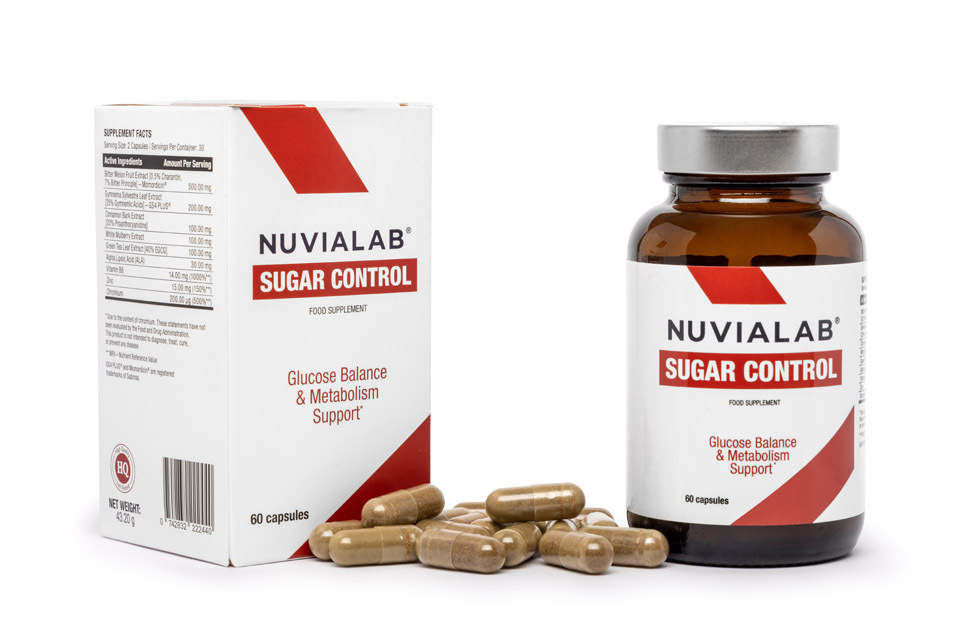
The clinical evidence for gymnema is less extensive than for berberine, but it's genuinely promising for a plant extract. It's particularly interesting as a complementary ingredient alongside chromium and other glucose-support compounds, where the mechanisms work through different pathways and may be additive. NuviaLab Sugar Control, the highest-converting pick on our European hub, combines gymnema sylvestre with chromium, cinnamon and six further ingredients specifically selected for this combination effect.
Cinnamon and Other Common Additions
Ceylon cinnamon (not the more common cassia variety) has a reasonable evidence base for modest reductions in fasting blood sugar, particularly in people who are already insulin resistant. The active compound, MHCP, appears to mimic insulin signalling to some degree. The effect is real but not dramatic; think of it as a useful supporting ingredient rather than a primary intervention.
Banaba leaf extract, which contains corosolic acid, has been shown in several small studies to reduce post-meal blood sugar spikes by slowing glucose absorption. It's a reasonable addition to a multi-ingredient formula, though the standalone evidence at typical supplement doses is limited.
Alpha-lipoic acid appears in some blood sugar formulas and has specific evidence for insulin resistance in people with type 2 diabetes. It works partly by improving mitochondrial function and reducing oxidative stress, which are both relevant to insulin signalling. The dose used in most research (300 to 600mg daily) is higher than what appears in many combination products.
What's Mostly Marketing
White mulberry leaf, bitter melon and fenugreek all appear regularly in blood sugar supplements. The evidence for each of them is genuinely weak: small studies, inconsistent results, or effects only observed at doses far higher than what a capsule provides. That doesn't mean they're harmful, just that they're unlikely to be driving any meaningful benefit in a formula.
Products that claim to "reverse" diabetes or "eliminate" the need for medication are making claims that no supplement can support. Blood sugar management is a lifelong process that involves diet, activity, sleep and, for many people, medication. Supplements can be a useful part of that picture, not a replacement for any of it.
Several blood sugar supplements, including berberine and chromium, can enhance the effect of diabetes medications and potentially cause blood sugar to drop too low. Always check with your GP or pharmacist before combining supplements with prescription treatment.
The Non-Negotiables That Make Supplements Work Better
Supplements in this category perform better when the fundamentals are in place. The single most effective dietary change for blood sugar is reducing refined carbohydrate load, particularly in the evening when insulin sensitivity is naturally lower. This doesn't require eliminating carbohydrates; it means prioritising fibre-rich whole foods that slow glucose absorption and avoiding spikes from processed foods eaten on their own.
Resistance exercise, even two sessions per week, increases muscle mass and improves insulin sensitivity independently of weight loss. Walking after meals, particularly the evening meal, has been shown in multiple studies to reduce post-meal glucose peaks meaningfully. These aren't optional extras when blood sugar is a concern; they're the foundation that determines how much room there is for supplements to contribute. It's also worth noting that sustained high blood sugar over years is one of the primary drivers of poor metabolic function overnight, which compounds weight management challenges. Sleep quality and fat oxidation are directly affected by glucose control, a connection explored in detail in our guide to nighttime fat burner ingredients.
The Bottom Line
For anyone over 50 managing blood sugar proactively, the supplement ingredients with the best evidence are chromium picolinate, berberine, gymnema sylvestre and Ceylon cinnamon. Multi-ingredient formulas that combine several of these in meaningful doses are generally more practical than buying each separately. Give any supplement at least two to three months before evaluating its effect, and pair it with the lifestyle factors that make the biggest difference: reduced refined carbs, regular movement and consistent sleep. For a full overview of blood sugar and metabolic support picks curated for the European market, see NuviaLab Sugar Control on Wellness Picks HQ Europe.