
Cholesterol management is one of those areas where the conversation tends to jump straight to medication, skipping over a substantial body of evidence on what diet and supplementation can realistically achieve. For people with mildly to moderately elevated cholesterol and no established cardiovascular disease, natural approaches deserve serious consideration, not as an alternative to medical advice, but as part of an informed conversation with their GP about what's appropriate for their situation.
This article covers what the research actually says about the natural ingredients with the best evidence for cholesterol support, how the liver and lipid system work in ways that make these interventions meaningful, and where the limits of natural approaches lie.
How the Cholesterol System Actually Works
Most people know cholesterol as something to keep low, but the picture is more nuanced. Cholesterol is essential: it's a building block for cell membranes, sex hormones and vitamin D. The liver produces roughly 75% of the cholesterol in your body regardless of diet, which is why dietary changes alone rarely produce dramatic improvements in blood lipid profiles.
The numbers that matter most are LDL (low-density lipoprotein, often called "bad" cholesterol), HDL (high-density lipoprotein, "good" cholesterol), triglycerides, and increasingly, the LDL particle size and oxidised LDL. LDL becomes problematic primarily when it oxidises and accumulates in artery walls, which is why antioxidant status and inflammation markers are relevant alongside the cholesterol numbers themselves.
After 50, the liver becomes slightly less efficient at clearing LDL from the bloodstream, and hormonal changes in both men and women shift the balance toward higher LDL and lower HDL. This is partly why cholesterol levels tend to rise in the fifth decade even without significant dietary changes.
Total cholesterol alone is a poor predictor of cardiovascular risk. Your GP should be looking at non-HDL cholesterol, the total-to-HDL ratio and, ideally, triglycerides alongside LDL. If you've only had a total cholesterol figure, ask for a full lipid panel.
Plant Sterols and Stanols: The Most Established Natural Intervention
Plant sterols and stanols are structurally similar to cholesterol and compete with it for absorption in the intestine. This is one of the best-documented dietary interventions for LDL reduction, with hundreds of controlled studies showing consistent reductions of 8 to 12% in LDL cholesterol at intakes of 1.5 to 3 grams per day. The European Food Safety Authority has approved a health claim for plant sterols at these doses, which is a meaningful bar given how rarely the EFSA approves such claims.
The practical challenge is achieving these doses from food alone. Fortified foods (spreads, yoghurts, milk) are the most common route in Europe, but for people not consuming these consistently, a supplement providing the full 1.5 to 2g daily dose is a straightforward alternative. Plant sterols have no meaningful side effects at recommended doses and don't interact with common medications.
Red Yeast Rice: Effective but Requires Caution
Red yeast rice is fermented rice that naturally contains monacolin K, a compound chemically identical to lovastatin, one of the original statin drugs. This is both what makes it effective and what makes it require the same caution as statin medication.
Standardised red yeast rice extracts have been shown in multiple trials to reduce LDL by 15 to 25%, which is comparable to low-dose statin therapy. The European Food Safety Authority has evaluated red yeast rice and concluded that products standardised to 10mg of monacolin K daily can support normal blood cholesterol levels.
The caution is real: red yeast rice can cause the same muscle-related side effects as statins (myopathy, in rare cases rhabdomyolysis), should not be combined with statin medication, and should be avoided by people with liver conditions or who are pregnant. It's not a casual supplement. If someone is already on statins, this is not an add-on; it's an either/or decision made with a doctor.
Do not take red yeast rice alongside statin medication. The combination effectively doubles the statin dose and significantly increases the risk of muscle damage. This applies even to supplements marketed as "natural" cholesterol support.
Berberine and Omega-3s: Useful Supporting Ingredients
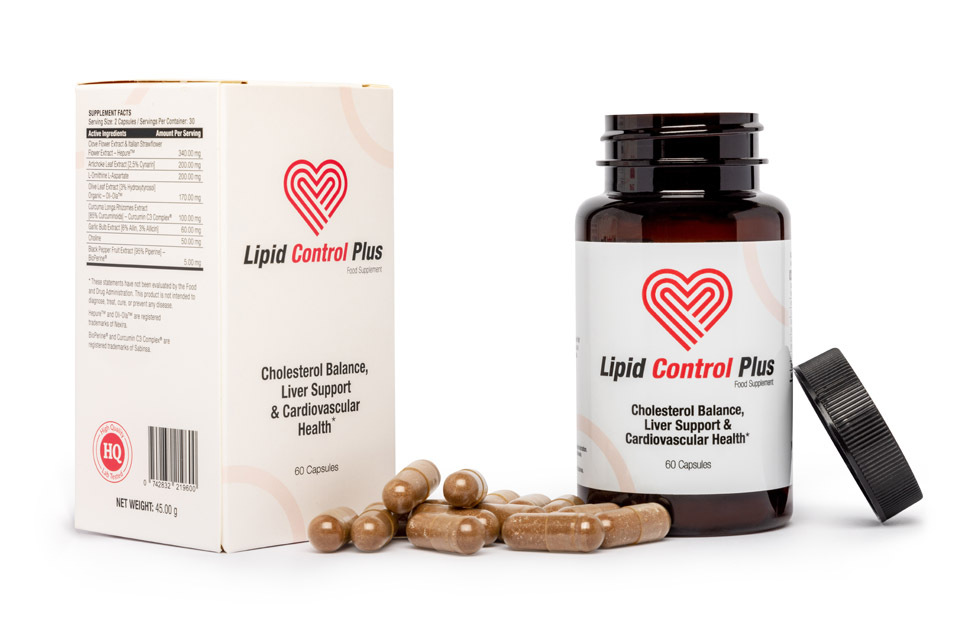
Berberine, discussed in detail in our blood sugar article, has a secondary mechanism relevant to cholesterol: it upregulates LDL receptors in the liver, increasing the liver's capacity to clear LDL from the bloodstream. Several trials have shown LDL reductions of 20 to 25% with berberine at 500mg twice daily, with additional reductions in triglycerides. It works through a different pathway than statins, which is why some research has looked at berberine as a complementary option for people who can't tolerate statins. Lipid Control Plus, the top-rated cholesterol pick on our hub, combines berberine with plant sterols and artichoke extract in a single formula.
Omega-3 fatty acids (EPA and DHA) have a well-established effect on triglycerides, reducing them by 20 to 30% at pharmaceutical doses (3 to 4g daily). The effect on LDL is more variable; high-dose EPA has shown cardiovascular benefits in large trials, but standard fish oil doses don't reliably reduce LDL. Omega-3s are most useful when triglycerides are elevated, which is common in people with metabolic syndrome or high carbohydrate intake.
Coenzyme Q10 (CoQ10) is often recommended alongside cholesterol support because statins deplete CoQ10 levels in muscle tissue. The evidence for CoQ10 reducing cardiovascular risk independently is weak, but supplementation is reasonable for people on statins who experience muscle fatigue or pain.
What Diet and Lifestyle Actually Move
Dietary changes have a meaningful but limited effect on cholesterol because the liver compensates for reduced dietary intake by producing more. That said, certain dietary patterns consistently improve lipid profiles. Replacing saturated fat with unsaturated fat (particularly olive oil, nuts and oily fish) reduces LDL. Increasing soluble fibre, particularly beta-glucan from oats and psyllium husk, reduces LDL by 5 to 10% through binding bile acids in the intestine and forcing the liver to use cholesterol to produce more.
Alcohol raises triglycerides and, in excess, reduces HDL despite popular belief to the contrary. The evidence for moderate red wine consumption improving cardiovascular outcomes has largely collapsed under better-controlled research. Reducing alcohol, particularly spirits and beer, is one of the more reliable ways to improve triglycerides.
Exercise, particularly aerobic exercise sustained over weeks, reliably raises HDL and reduces triglycerides. The effect on LDL is more modest but present. Resistance training has additional benefits for metabolic health that indirectly improve lipid profiles.
The Realistic Picture
For someone with an LDL of 3.5 to 4.5 mmol/L, no cardiovascular disease history and a low 10-year risk score, a combination of plant sterols at 2g daily, a dietary shift toward less saturated fat and more soluble fibre, and berberine if tolerated can realistically reduce LDL by 20 to 30% over three to six months. That's a meaningful improvement that may change the clinical picture enough to defer or avoid medication.
For someone with established cardiovascular disease, very high LDL or a family history of early heart disease, statins have an evidence base built on trials involving hundreds of thousands of people over decades. Natural alternatives in that context are not a substitute; they may be complementary, but that's a conversation to have with a cardiologist.
It is also worth noting the connection between lipid metabolism and body composition: elevated triglycerides and impaired fat oxidation are often part of the same metabolic picture. If overnight fat metabolism is relevant to your goals, our breakdown of nighttime fat burner ingredients covers how the body handles fat oxidation during sleep and what formulas are designed to support it.
The Bottom Line
Plant sterols are the most evidence-backed natural intervention for LDL reduction with the best safety profile. Red yeast rice is genuinely effective but carries the same considerations as statin medication. Berberine and omega-3s are useful supporting ingredients, particularly when triglycerides are also elevated. None of these replace a full lipid panel and a risk assessment from a GP, but for people in the mild-to-moderate range with no established disease, there's a solid case for trying natural approaches first under medical supervision. For a curated overview of the cholesterol and cardiovascular support formulas we track for the European market, see the supplements picks on Wellness Picks HQ Europe.